Installation and Upkeep Tips for Your First Automatic Garage Door

Garage Door Spring Replacement: DIY vs. Professional Cost Comparison
June 12, 2025
How Climate Affects the Lifespan of Wooden Garage Doors
July 4, 2025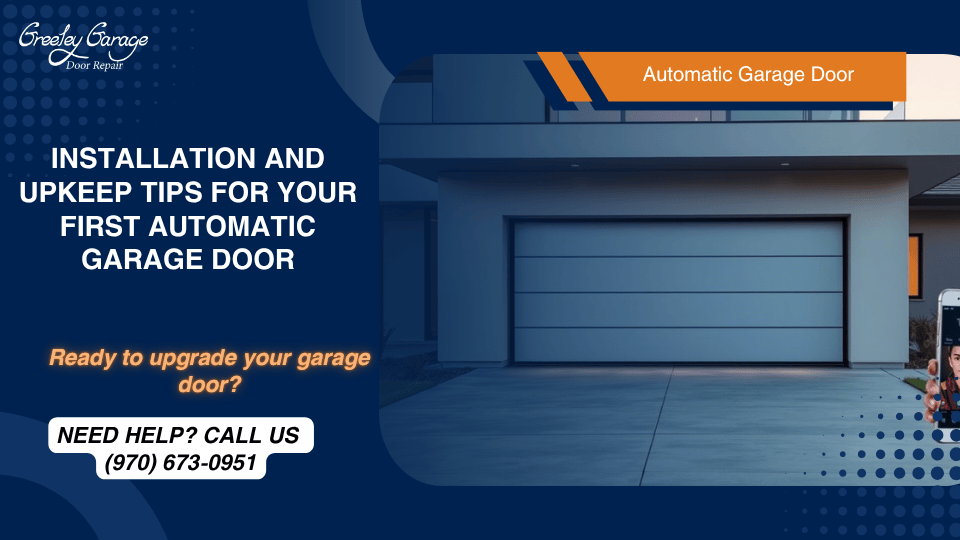
If you’re a homeowner installing your first automatic garage door, it’s an exciting upgrade that adds convenience, security, and value to your property. However, navigating the installation process and maintaining your new system can feel overwhelming if you’re unfamiliar with how these doors work.
In this guide, we’ll walk you through essential installation tips and maintenance best practices to ensure your automatic garage door operates smoothly for years to come.
Why You Should Consider an Automatic Garage Door
Before diving into installation and upkeep, let’s briefly explore why an automatic garage door is worth the investment:
- Convenience: No more manually lifting heavy doors—especially useful in bad weather or during busy mornings.
- Security: Modern systems come with rolling code technology and secure access controls.
- Energy Efficiency: Well-insulated garage doors help maintain indoor temperatures.
- Curb Appeal: A stylish garage door boosts your home’s exterior aesthetics.
Now, let’s get into the nitty-gritty of installation and maintenance.
Part 1: Installation Tips for Your Automatic Garage Door
While professional installation is always recommended, understanding the basics can help you make informed decisions and spot potential issues early on.
1. Choose the Right Door for Your Home
You’ll find a variety of garage door styles available, such as:
- Sectional Doors: Most common; made of multiple panels that open vertically.
- Roll-Up Doors: Ideal for limited headroom spaces.
- Side-Hinged Doors: Great for traditional homes but less common with automation.
Also, consider materials like steel, wood, aluminum, or fiberglass based on durability, insulation needs, and design preferences.
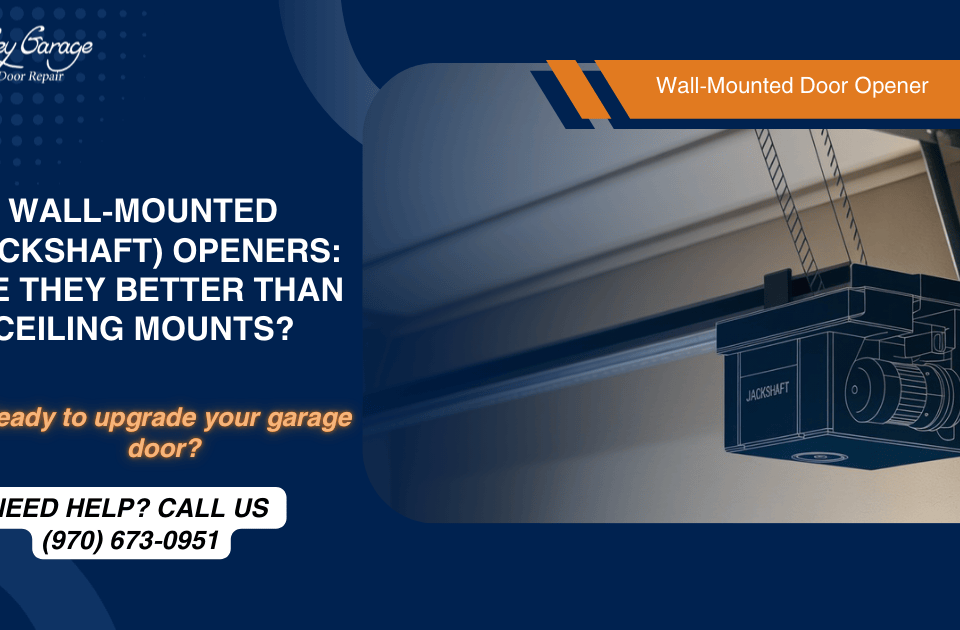
2. Select a Quality Opener
The garage door opener serves as the powerhouse behind your entire automatic system. Look for models with:
- DC Motors: Quieter and longer-lasting than AC motors.
- Smart Features: Seamless Wi-Fi integration, control via smartphone apps, and instant real-time notifications.
- Safety Sensors: Prevents the door from closing if something is in the way.
Top-rated brands in the market include Chamberlain, LiftMaster, Genie, and Craftsman, each known for their reliability and advanced features.
3. Hire a Professional Installer
Even if you’re a DIY enthusiast, garage door installation involves precise measurements, spring tensioning, and electrical wiring—all of which pose safety risks. A certified installer ensures everything is set up correctly and safely.
Pro Tip: Always ask for references and check online reviews before hiring an installer.
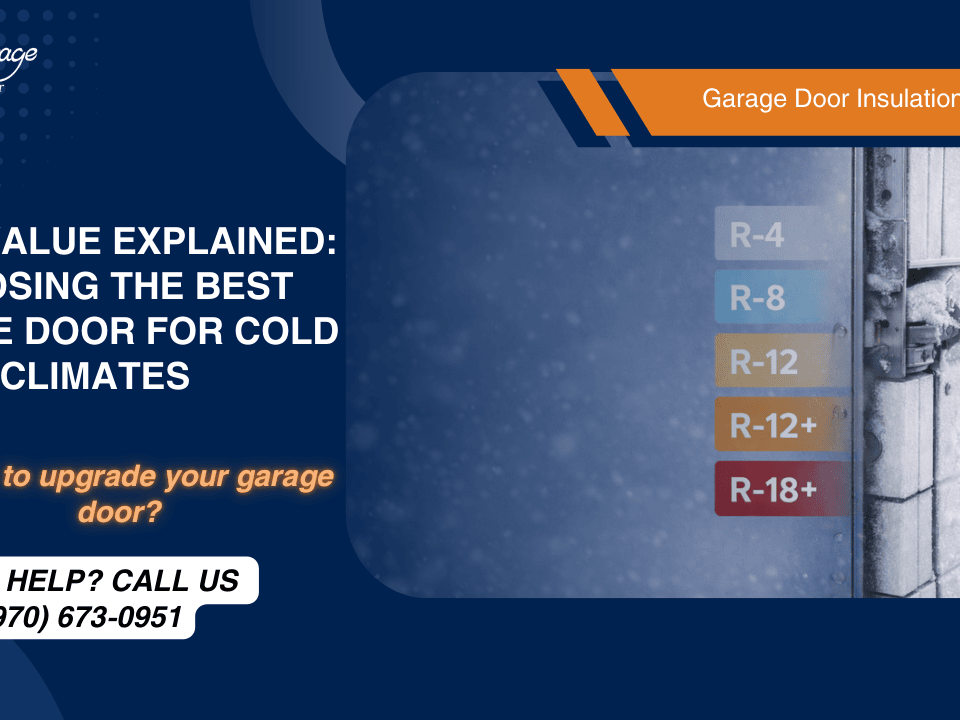
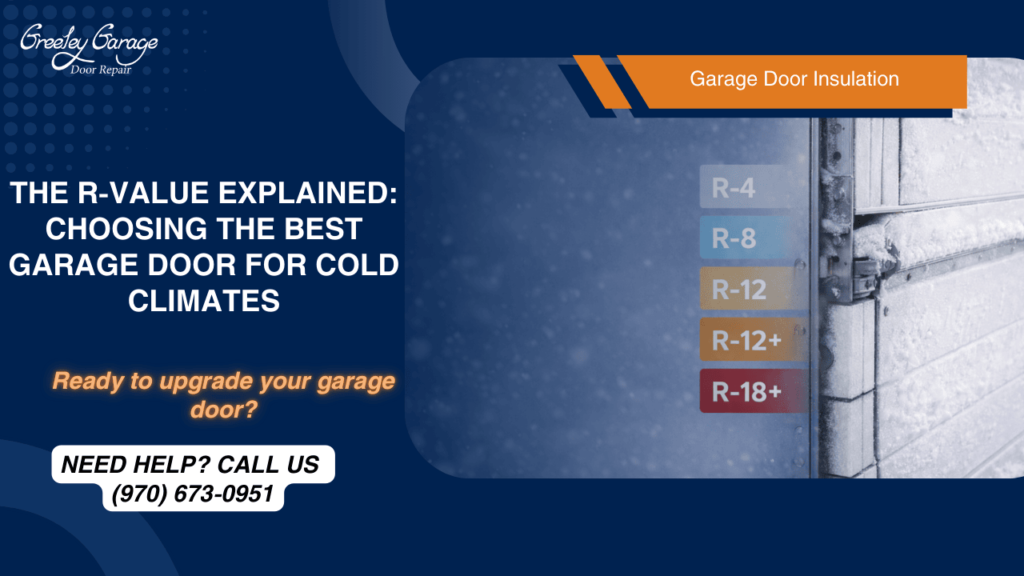
4. Ensure Proper Insulation and Weather Stripping
A well-insulated door keeps your garage comfortable and energy-efficient. Check for gaps around the edges and install weather stripping to prevent drafts, water seepage, and pest entry.
Part 2: Maintenance Best Practices for Longevity
Once installed, regular upkeep is crucial to keep your automatic garage door functioning reliably.
1. Perform Monthly Visual Inspections
Check for:
- Worn rollers or hinges
- Frayed cables or loose hardware
- Cracks or dents in panels
- Misaligned tracks
Tighten bolts and replace damaged parts as needed.
2. Lubricate Moving Parts Every 3 Months
Use a silicone-based lubricant (not oil) on:
- Hinges
- Rollers
- Tracks
- Opener chain or screw rod
Avoid over-lubrication, which can attract dust and debris.
3. Test Safety Features Regularly
Monthly testing of your garage door’s safety sensors and auto-reverse mechanism is critical:
- Place a 2×4 board under the door and close it. The door should reverse upon contact.
- Ensure sensors are clean and aligned.
This not only reduces the risk of accidents but also guarantees adherence to essential safety regulations.
4. Keep Tracks Clean and Aligned
Accumulated dirt and debris in the garage door tracks can lead to misalignment and functional problems. To keep things running smoothly, clean the tracks with a damp cloth every few months and use a level to ensure they remain properly aligned.
5. Replace Worn-Out Springs Promptly
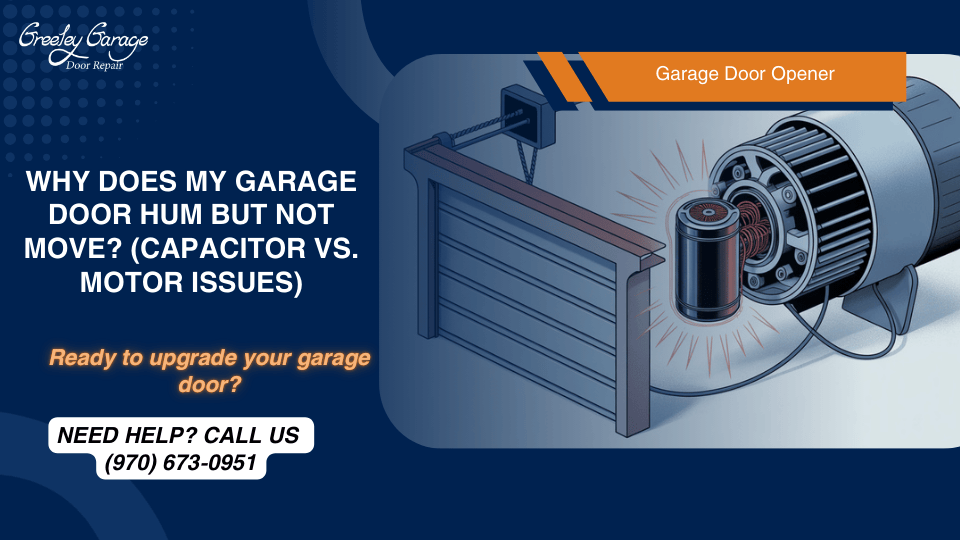
Garage door springs are under high tension and wear out over time (typically after 10,000 cycles). Signs of failure include:
- Difficulty opening/closing
- Uneven door movement
- Loud banging noises
Spring replacement should be handled by a professional due to the risk of injury.
6. Schedule Annual Professional Maintenance
Even with regular DIY checks, an annual service by a technician ensures:
- All components are inspected thoroughly
- Springs, cables, and motor are tested
- Software updates (for smart openers)
Many manufacturers require routine servicing to keep warranties valid.
Bonus Tips for Smart Garage Door Owners
- Install a Battery Backup: Ensures operation during power outages.
- Enable Smartphone Control: Monitor and operate your door remotely using apps like MyQ or Alexa.
- Label Emergency Release Cord: Clearly mark the red emergency release handle for easy identification in case of power failure.
Final Thoughts
Your automatic garage door is more than just a convenience—it’s a vital component of your home’s functionality and security. With proper installation and consistent maintenance, you can enjoy peace of mind knowing your door will perform reliably year after year.
Whether you’re installing your first automatic garage door or upgrading an existing one, taking the time to understand the system and care for it properly pays off in the long run.
Need Help Installing or Maintaining Your Automatic Garage Door?
Contact our team of certified technicians today! We offer full installation, repair, and maintenance services tailored to your needs.